Braided Cable vs Silicone Cable Which Is Better
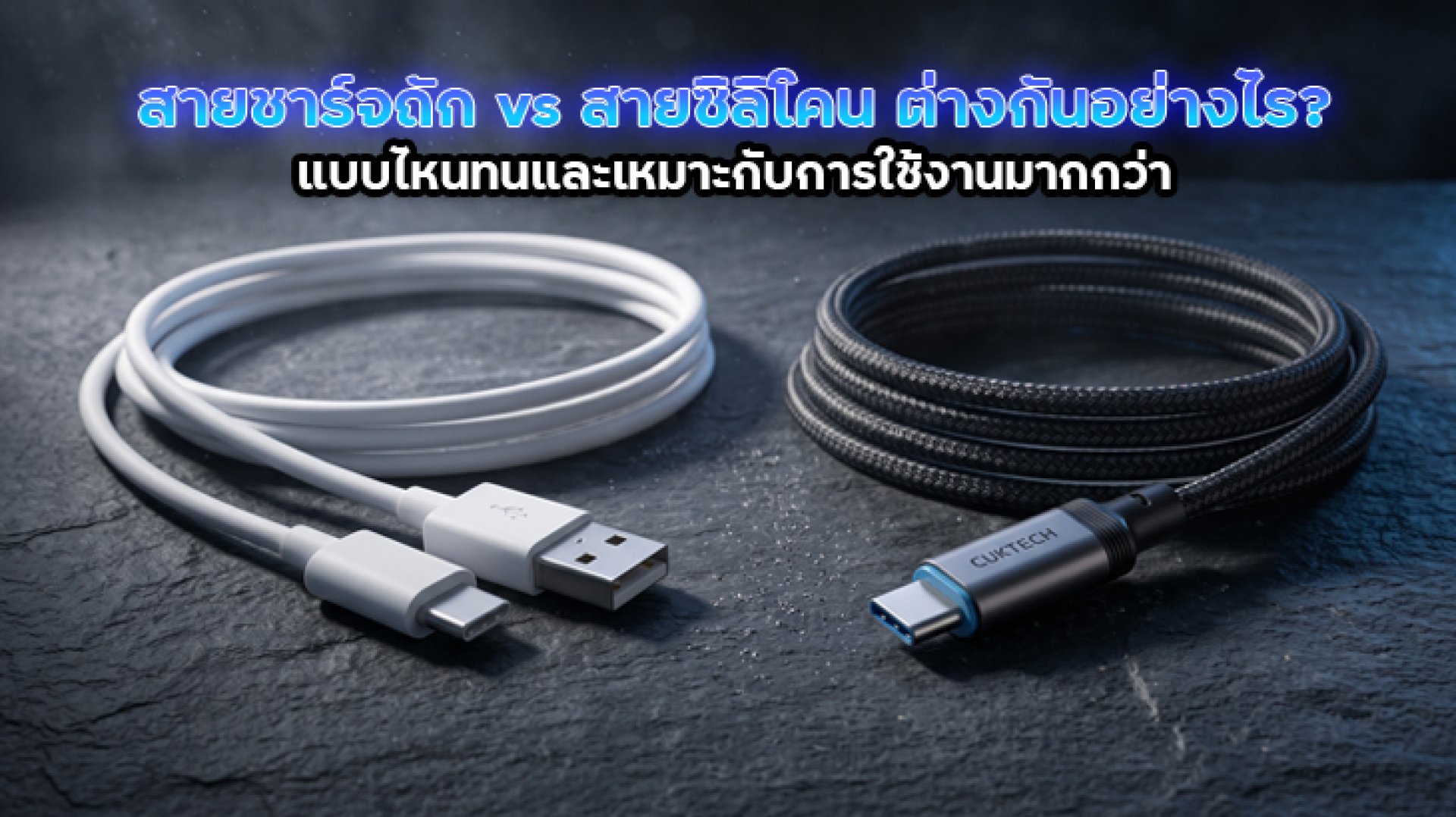
When buying a USB-C cable or a charging cable for your phone, charging power and speed are not the only factors worth considering. The outer material also plays an important role. In particular, Braided Cable vs Silicone Cable options differ in texture, flexibility, durability, and maintenance. Some people assume that braided cables are always more durable, while silicone cables are more likely to break. In reality, each type has its own advantages and limitations.
This article takes an in-depth look at Braided Cable vs Silicone Cable, comparing their material construction, resistance to bending, storage convenience, and suitability for smartphones, tablets, and other frequently charged devices. This will help you choose a cable that fits your needs and offers better long-term value.
Braided Cable vs Silicone Cable What Are the Differences?
The main difference between Braided Cable vs Silicone Cable lies in the outer material and construction. Both types can be available as USB-C to USB-C, USB-C to Lightning, or other cable configurations, depending on the internal design and connectors selected by the manufacturer.
Braided Cable
A braided cable features an outer layer made from woven fibers, such as nylon or other synthetic materials. This layer helps protect the inner insulation from abrasion and everyday wear.
One of the main advantages of braided cables is their durable texture and premium appearance. The woven exterior can help reduce surface scratches compared with some smooth-surfaced cable designs. However, durability also depends on the quality of the woven fibers and the internal cable construction. Not all braided cables offer the same level of quality.
Silicone Cable
A silicone cable uses silicone as part of its outer covering. Its main advantages include a soft texture, flexibility, and a smooth surface, making it easy to coil and store.
Many silicone cables are highly flexible, making them suitable for people who frequently unplug and store their cables or carry them in a bag for work and travel. However, choosing a quality product is important because resistance to tearing and abrasion depends on the material formulation and cable thickness.
Braided Cable vs Silicone Cable Which Is Better?
When comparing Braided Cable vs Silicone Cable for everyday use, each type offers different advantages. The following table summarizes their key characteristics.
| Feature | Braided Cable | Silicone Cable |
|---|---|---|
| Outer Material | Woven fibers, such as nylon | Silicone material |
| Texture | Textured woven surface | Soft and smooth |
| Flexibility | Depends on the weave density and internal cable structure | Generally highly flexible |
| Abrasion Resistance | Generally offers good resistance to surface scratches | The surface may develop marks through regular use |
| Storage | Some models are stiffer and less flexible when coiled | Easy to coil and store |
| Maintenance | Dust and dirt may collect between the woven fibers | Often easier to wipe clean |
| Durability | Good protection against surface abrasion | Known for softness and flexibility |
| Best For | Heavy use and users who prioritize a sturdy exterior | Users who prefer a soft, flexible, and portable cable |
In short, neither Braided Cable vs Silicone Cable is the winner in every category. If surface protection against abrasion is your priority, a braided cable may have the advantage. If you prefer a soft cable that is easy to coil and does not feel stiff, a silicone cable may be a better choice.
Braided Cable vs Silicone Cable: Which Is More Durable?
Durability is one of the most important factors when choosing a charging cable. However, looking only at the exterior is not enough. A charging cable consists of several components, including electrical conductors, inner insulation, an outer protective layer, and the connection points near the cable connectors.
1. Resistance to Abrasion
Braided cables have an advantage when it comes to protecting the cable surface from everyday abrasion. Their woven outer layer provides an additional protective covering, making them suitable for people who carry cables in bags alongside other accessories or frequently move cables around their desks.
Silicone cables have a softer surface. However, repeated contact with sharp objects or rough surfaces can also cause marks or damage over time.
2. Resistance to Bending and Twisting
Silicone cables are generally flexible, making them easy to bend and coil for storage. Some braided cables may feel stiffer, depending on their thickness and internal construction.
However, both cable types can be damaged if they are repeatedly bent in the same position. This is particularly important near the USB-C or Lightning connector, where frequent movement and pulling can place stress on the cable.
3. Connector Durability
Whether you choose a braided cable or a silicone cable, pay special attention to the connection between the cable and its connector. If this area does not have adequate strain relief, the internal wires may break or the connector contacts may become damaged.
Before buying, check the connector design, the strength of the joint, and the manufacturer's warranty. Do not judge a cable's durability based on its outer material alone.
Braided Cable vs Silicone Cable: Which Type Suits Your Needs?
Choosing between Braided Cable vs Silicone Cable should start with your everyday usage habits. Some people mainly charge their phones at a desk, while others carry cables to work, travel frequently, or use them with multiple devices.
Who Should Choose a Braided Cable?
- People who regularly carry charging cables in their bags
- Users who work in environments where cables are frequently exposed to friction
- People who prefer a sturdy texture and a premium appearance
- Users who need cables for smartphones, tablets, or laptops
- People who want to reduce the risk of everyday surface scratches
Who Should Choose a Silicone Cable?
- People who prefer soft and flexible charging cables
- Users who regularly coil and store their cables after use
- People who mainly use charging cables at their desks or beside their beds
- Users who dislike stiff cables or rough textures
- People who want a portable cable that is easy to store
What Should You Check Besides the Material?
Although comparing Braided Cable vs Silicone Cable helps you choose the right outer material, there are other technical specifications to consider if you want a cable that performs reliably. The outer material does not directly determine charging speed.
1. Check the Supported Charging Power
USB-C cables are available with different power ratings, such as 60W, 100W, and 240W. If you plan to use a high-power charger or power bank, make sure the cable supports the required wattage.
For example, if you use a 100W USB-C PD charger, choose a cable rated for at least 100W. You should also check the E-Marker requirements for cables designed to support currents above 3A.
2. Check Data Transfer Speed
Some charging cables support high-power charging but offer data transfer speeds limited to USB 2.0. If you need to transfer large files between a smartphone, computer, or SSD, check the cable's data transfer standard as well.
Do not assume that a 240W braided cable will automatically transfer data faster. Charging power and data transfer speed are two separate specifications.
3. Check Standards and Manufacturing Quality
Choose cables from manufacturers that provide clear technical specifications, including connector types, supported charging power, and warranty conditions. For USB-C cables, consider USB-IF certification when the manufacturer states that the product has been certified.
4. Choose the Right Cable Length
A 1-meter cable is suitable for general use at a desk. A 1.5- to 2-meter cable is more convenient for people who charge their phones while sitting on a sofa or using their devices in bed. Regardless of length, choose a quality product that supports the required charging power.
How to Maintain Braided and Silicone Cables for Longer Use
Regardless of whether you choose Braided Cable vs Silicone Cable, proper care can reduce the risk of damage and help extend the cable's lifespan.
- Do not pull the cable itself when unplugging: Hold the USB-C or Lightning connector and pull it out carefully.
- Avoid sharp bends: Pay particular attention to the area near the connector, as bending can damage the internal conductors.
- Do not coil the cable too tightly: Coil it loosely without twisting or applying excessive pressure.
- Keep it away from heat: Avoid placing the cable near heat sources or leaving it under direct sunlight for extended periods.
- Clean it properly: Use a dry or soft cloth to remove dirt. Avoid water and chemicals that may damage the outer material.
- Stop using damaged cables: Replace the cable if the outer insulation is cracked, internal conductors are exposed, or the connector becomes loose.
Braided Cable vs Silicone Cable: Which Offers Better Value?
If you are still unsure which option to choose, consider your usage habits when comparing Braided Cable vs Silicone Cable.
Choose a braided cable if you want better resistance to surface abrasion, a sturdy outer texture, and a cable that can handle frequent use outside the home. Look for a model with reinforced protection around the connector as well.
Choose a silicone cable if you prefer a soft, flexible cable that is easy to coil and store. It is particularly suitable for everyday use if you dislike stiff cables or rough outer textures.
However, do not choose a cable based on its outer material alone. Consider the quality of its conductors, internal insulation, supported charging power, data transfer speed, and warranty before making a purchase.
Conclusion: Braided Cable vs Silicone Cable Which One Is Right for You?
There is no universal winner when comparing Braided Cable vs Silicone Cable, because each material offers different advantages. Braided cables are suitable for users who prioritize abrasion resistance and frequent heavy use, while silicone cables are ideal for those who prefer softness, flexibility, and convenient storage.
If you want a charging cable that lasts, focus on overall product quality. Look for a strong internal structure, power ratings that match your devices, and reinforced connector joints that can withstand pulling and bending. Even a high-quality outer material cannot compensate for poorly manufactured internal components.
Before buying your next charging cable, check the material, supported charging power, and relevant technical standards. This will help you choose a cable that works with your devices and provides better value for money.
FAQ: Frequently Asked Questions About Braided Cable vs Silicone Cable
Are braided cables really more durable than silicone cables?
Braided cables often have an advantage in protecting the outer surface against abrasion. However, this does not mean they are always more durable. Overall durability also depends on the materials, manufacturing quality, and internal cable construction.
Do silicone cables break easily?
Not necessarily. High-quality silicone cables can last a long time because they are flexible and generally handle bending well. However, they can still be damaged by excessive pulling, repeated sharp bending, or contact with sharp objects.
Do braided cables charge faster than silicone cables?
No. The outer covering does not directly determine charging speed. You should check the charging standard, such as USB-C PD, the cable's supported power rating, and the charging capabilities of your device.
Can braided and silicone cables both be used with an iPhone?
Yes, as long as you choose the correct connector for your iPhone model. For example, use a USB-C to USB-C cable for iPhone models with a USB-C port or a USB-C to Lightning cable for models with a Lightning port. Choose a quality cable that meets the appropriate standards.
Which type of charging cable is better for everyday use?
Both types can work well for everyday use if you choose a quality product. People who frequently carry cables to work or when traveling may prefer braided cables, while those who mainly charge their devices at home or at a desk and prefer a soft, flexible cable may find silicone cables more suitable.
Can braided cables support 100W or 240W charging?
Yes. A braided cable can support 100W or 240W if its conductors, insulation, and internal components are designed for that power level. It must also meet the relevant USB-C PD and E-Marker requirements where applicable. The outer braided material does not determine the cable's wattage rating.