Why Do Phone Chargers Burn? 7 Causes and How to Stay Safe
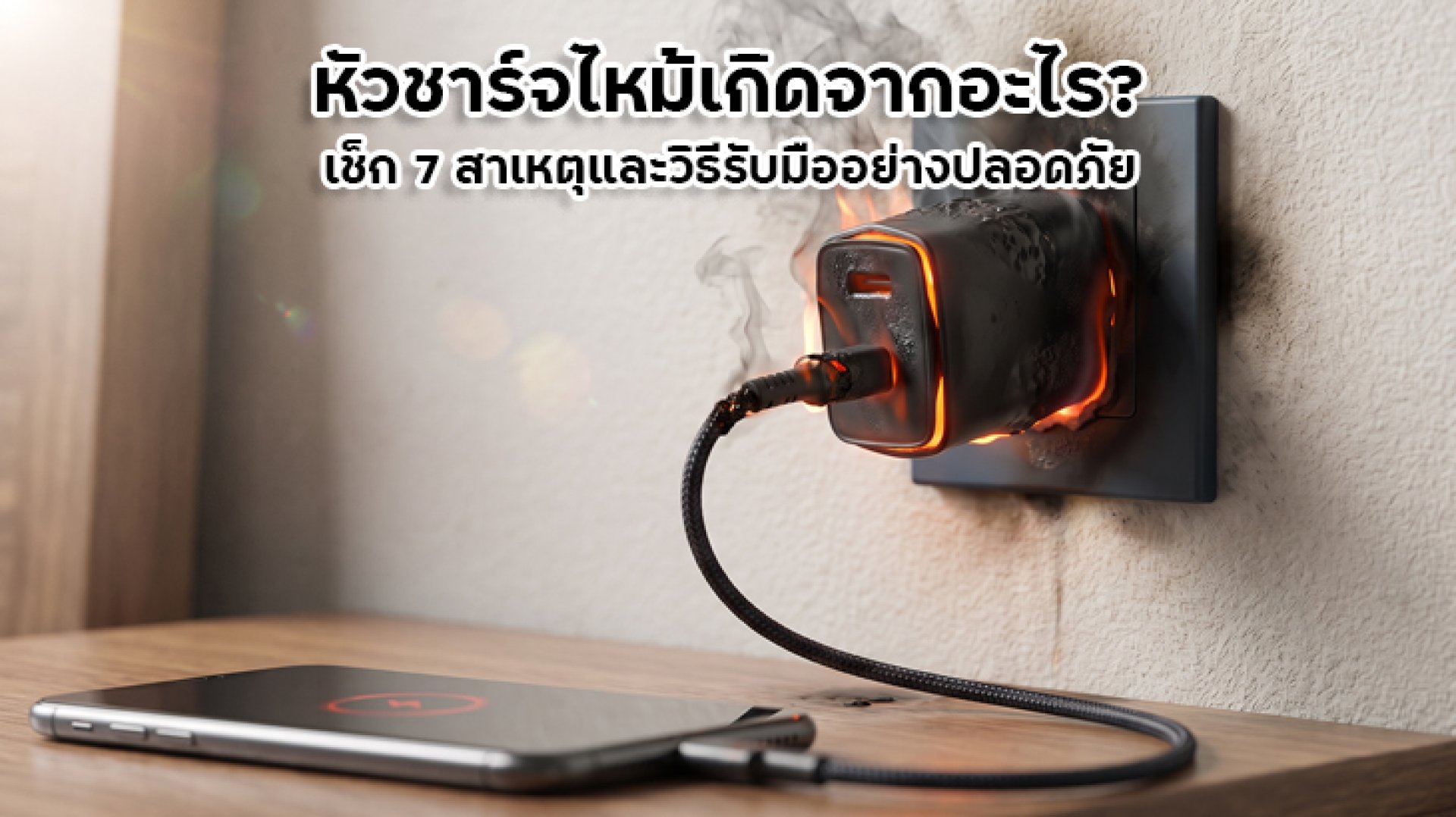
Phone charger burning is a problem that should never be ignored. A burnt smell, unusual heat, black marks, or visible damage around a charger or its plug may indicate an electrical fault. Possible causes include damaged internal components, poor-quality chargers, faulty cables, loose electrical outlets, or unsuitable charging conditions. Even if the charger still works, these warning signs mean it may no longer be safe to use.
Many people assume that a charger burns because its wattage is too high or because a phone was left charging for too long. However, the actual causes can be more complicated. A high-wattage charger does not automatically cause damage when it is properly designed and compatible with the connected device. This guide explains seven possible causes of phone charger burning, the warning signs to watch for, and practical ways to reduce electrical risks.
What Causes a Phone Charger to Burn? 7 Possible Reasons
1. Low-Quality or Non-Compliant Chargers
One possible cause of phone charger burning is the use of a low-quality or non-compliant charging adapter. This is particularly concerning with products that have unclear origins, misleading specifications, or no reliable manufacturer information.
A charger converts electricity from a wall outlet into power suitable for electronic devices. To do this safely, it needs properly designed components, insulation, voltage regulation, and protection circuits. If these components are poorly manufactured or do not meet applicable safety requirements, the charger may be more vulnerable to overheating, electrical faults, or insulation failure.
Do not judge a charger by its appearance or low price alone. Choose products from reputable manufacturers and authorized retailers, and check the safety information provided for the product.
2. Internal Charger Components Have Failed
A charging adapter contains several electronic components, including power-conversion circuitry, capacitors, and control systems. If an internal component becomes damaged or deteriorates over time, the charger may stop operating correctly and generate excessive heat.
Possible warning signs include unusual heating, a burnt smell, unexpected noises, or inconsistent charging. A charger may still deliver power even when something inside has started to fail. Therefore, continued operation does not prove that it is safe.
If you notice these symptoms, stop using the charger. Do not open the casing or attempt to inspect its internal circuitry yourself.
3. A Damaged Charging Cable or Connector
Sometimes a problem that appears to involve a burning charger may actually originate from the charging cable or its connection points. A damaged cable, loose connector, cracked insulation, or deformed plug may cause unreliable electrical contact and localized heating.
Pay attention to the areas near the cable ends, where repeated bending can cause wear. If you notice exposed wires, damaged insulation, unusual discoloration, or a burnt connector, stop using the cable. Do not continue using it simply because it can still charge your phone.
A damaged cable can affect both charging reliability and electrical safety. Replace it with a compatible, good-quality cable from a trusted source.
4. A Faulty Wall Outlet or Power Strip
The charger itself is not always the source of the problem. A damaged wall outlet or power strip can also cause electrical issues. Loose electrical contacts, worn sockets, or damaged internal connections may create excessive heat around the plug and outlet.
Look for warning signs such as black marks, a burnt smell, unusual sounds, or visible damage around the socket. If you notice any of these symptoms, stop using the outlet and arrange for a qualified electrician to inspect it.
Do not attempt to repair electrical outlets or test damaged sockets yourself. Replacing the charger without addressing a faulty outlet may leave the underlying problem unresolved.
5. Incompatible or Poorly Designed Charging Equipment
Chargers and connected devices should support compatible charging standards. For example, USB Power Delivery (USB PD) allows compatible chargers and devices to communicate and negotiate suitable voltage and current levels.
Using equipment with poor power regulation or unreliable compatibility may create charging problems and potential safety risks. However, a charger with a higher wattage rating does not automatically damage a device. A properly designed charger supplies power according to the supported charging conditions rather than forcing its maximum rated output into every connected device.
When choosing a charger, check the charging standards supported by your phone, the charger's specifications, and the cable's capabilities. Avoid products with unclear specifications or questionable quality.
6. Poor Ventilation and Excessive Heat
Chargers naturally generate some heat while converting electrical power. However, placing a charger in a poorly ventilated area can make heat dissipation more difficult.
For example, covering a charger with clothing, placing it under a pillow, or using it on bedding may restrict airflow. High ambient temperatures and prolonged operation under heavy loads can also affect its thermal conditions.
Keep chargers uncovered and use them in well-ventilated areas. Avoid placing them near heat sources or flammable materials. If a charger becomes unusually hot, stop using it and follow the manufacturer's safety instructions.
7. Age, Physical Damage, or Exposure to Moisture
Like other electronic products, chargers can deteriorate over time. Repeated drops, impacts, pressure, moisture, or liquid exposure may damage the casing, insulation, or internal components.
A charger with a cracked casing, bent plug pins, loose parts, or signs of liquid damage should not be used. Even if it appears to work normally, internal damage may not be visible from the outside.
Replace damaged equipment rather than trying to repair it yourself. If the charger is still under warranty, contact the manufacturer or an authorized service provider.
Warning Signs That Your Phone Charger May Be Unsafe
Phone charger burning does not always happen without warning. In some cases, the charger may show signs of a developing problem before serious damage occurs. Watch for the following symptoms:
| Warning Sign | What It May Indicate |
|---|---|
| Unusual overheating | A possible internal fault, excessive load, or poor heat dissipation. |
| Burnt smell | Possible damage to internal components or insulation. |
| Black marks or discoloration | Possible damage around the plug, connector, or electrical outlet. |
| Crackling or unusual noises | A possible electrical or component-related problem. |
| Intermittent charging | A faulty charger, damaged cable, or unreliable connection. |
| Deformed plug or connector | Physical damage that may make continued use unsafe. |
Important: If you notice smoke, sparks, a burnt smell, or visible burn marks, do not plug the charger in again to see whether it still works. Stop using it and seek appropriate assistance. If a fire occurs, move away from the area and contact emergency services.
Is a Warm Charger Different from a Burning Charger?
Yes. A charger becoming slightly warm during normal operation does not necessarily mean it is damaged. Power conversion is not perfectly efficient, so some energy is released as heat. This is especially relevant when a charger supplies higher power over an extended period.
However, normal operating warmth should be distinguished from unusual heating or signs of damage. A charger that becomes much hotter than usual, develops a burnt smell, or shows discoloration should be treated as potentially unsafe.
| Condition | What You Should Do |
|---|---|
| Slight warmth during charging | May be normal, provided the charger operates within the manufacturer's specifications. |
| Unusually hot compared with normal use | Stop using it and seek advice from the manufacturer or a qualified professional. |
| Burnt smell or black marks | Stop using the charger immediately. |
| Smoke or sparks | Move away and seek emergency assistance if there is a fire. |
There is no single temperature threshold that applies to every charger. Always consider the manufacturer's specifications and pay attention to multiple warning signs rather than relying on touch alone.
What Should You Do If Your Charger Smells Burnt or Shows Burn Marks?
If your charger shows signs of burning or electrical damage, safety should come first. Do not try to repair or test the device yourself. Follow these precautions:
- Stop using the charger: Do not continue charging if you notice a burnt smell, smoke, sparks, or unusual heat.
- Disconnect the power when safe: If there is no smoke, fire, or risk of touching damaged electrical parts, disconnect the power source safely. If you are unsure, do not touch the equipment and seek assistance.
- Do not open the charger: Avoid dismantling the casing, inspecting internal circuits, or attempting a DIY repair.
- Have the electrical outlet inspected: If the outlet or power strip may be damaged, ask a qualified electrician to check it before using it again.
- Replace damaged equipment: Choose a reliable replacement rather than continuing to use a charger with burn marks or other damage.
If a fire occurs, move away from the area and contact emergency services. Never put yourself at risk trying to retrieve or handle damaged electrical equipment.
How to Prevent Phone Charger Burning
Although no charging setup can be guaranteed to remain fault-free forever, choosing suitable equipment and using it correctly can help reduce electrical risks.
Choose Chargers from Reputable Manufacturers
Buy chargers from manufacturers and retailers that provide clear product information, warranty details, and appropriate safety documentation. Check applicable safety certifications for your market and avoid products with suspiciously low prices or unknown origins.
Check Charging Power and Supported Standards
Choose a charger that supports your device's charging requirements. Standards such as USB Power Delivery (USB PD) help compatible devices and chargers negotiate suitable power levels.
Consider the maximum wattage required by your phone, tablet, or laptop, as well as the charger's supported output profiles and cable capabilities. A higher wattage rating is not automatically dangerous, but the charger must be properly designed and compatible with the device.
Inspect Cables and Electrical Outlets
Check charging cables for cracked insulation, exposed wires, loose connectors, and other visible damage. Also pay attention to wall outlets and power strips. If you notice discoloration, a burnt smell, or signs of damage, stop using the affected equipment and arrange for a professional inspection.
Keep Chargers in Well-Ventilated Areas
Do not cover chargers while they are operating. Avoid placing them under pillows, on bedding, or near heat sources. A stable surface with adequate airflow helps prevent unnecessary heat buildup.
Can a Higher-Wattage Charger Prevent Burning?
Choosing a higher-wattage charger does not automatically make charging safer. Safety depends more on product quality, electrical design, protection systems, applicable standards, and compatibility with the connected device.
For example, a properly designed 65W USB Power Delivery charger can be used with a compatible phone that requires less power. The charger and phone negotiate the appropriate charging conditions. The phone does not automatically receive the charger's maximum 65W output at all times.
When buying a replacement charger, consider its maximum output, number of ports, supported charging protocols, safety information, and warranty. Do not choose a charger based only on wattage or price.
Frequently Asked Questions About Phone Charger Burning
How hot is too hot for a phone charger?
There is no single temperature that applies to every charger because designs and operating limits vary. If your charger becomes unusually hot compared with normal use, develops a burnt smell, shows black marks, or makes unusual noises, stop using it and contact the manufacturer or a qualified professional.
Can a 65W charger burn a phone that supports only 25W?
Not necessarily. A properly designed charger that supports compatible charging standards negotiates suitable power levels with the connected device. It does not automatically force its maximum rated wattage into the phone. Always use reliable equipment and check compatibility.
Can I keep using a charger that smells burnt but still works?
No. A burnt smell may indicate internal damage, even if the charger can still supply power. Stop using it and replace it or have it assessed by an authorized service provider.
Does charging overnight cause a phone charger to burn?
Overnight charging cannot be identified as the direct cause of every charger failure. However, leaving electrical equipment operating unattended may delay the detection of unusual heat or other warning signs. Follow the manufacturer's instructions and avoid charging in poorly ventilated areas or near flammable materials.
Can a damaged phone charger be repaired?
Do not attempt to open or repair a charger yourself. Chargers contain electrical components and may expose users to dangerous voltages. If a charger is damaged, stop using it and contact the manufacturer or an authorized service provider. Replacing a damaged charger is generally preferable to continuing to use it.
Conclusion: Never Ignore Signs of a Burning Phone Charger
Phone charger burning can have several possible causes, including low-quality products, internal component failure, damaged cables, faulty electrical outlets, poor ventilation, and physical damage. A charger that still works is not necessarily safe if it shows signs of burning or unusual operation.
To reduce risks, choose chargers from reputable manufacturers, check supported charging standards, inspect cables and outlets, and use charging equipment in well-ventilated areas. If you notice a burnt smell, black marks, smoke, sparks, or unusual heat, stop using the charger immediately. Do not attempt to repair or test damaged equipment yourself. Electrical safety should always come before convenience or the cost of replacing a charger.