Are High-Wattage Charging Cables Safe? Can 100W or 240W Damage Your Phone?
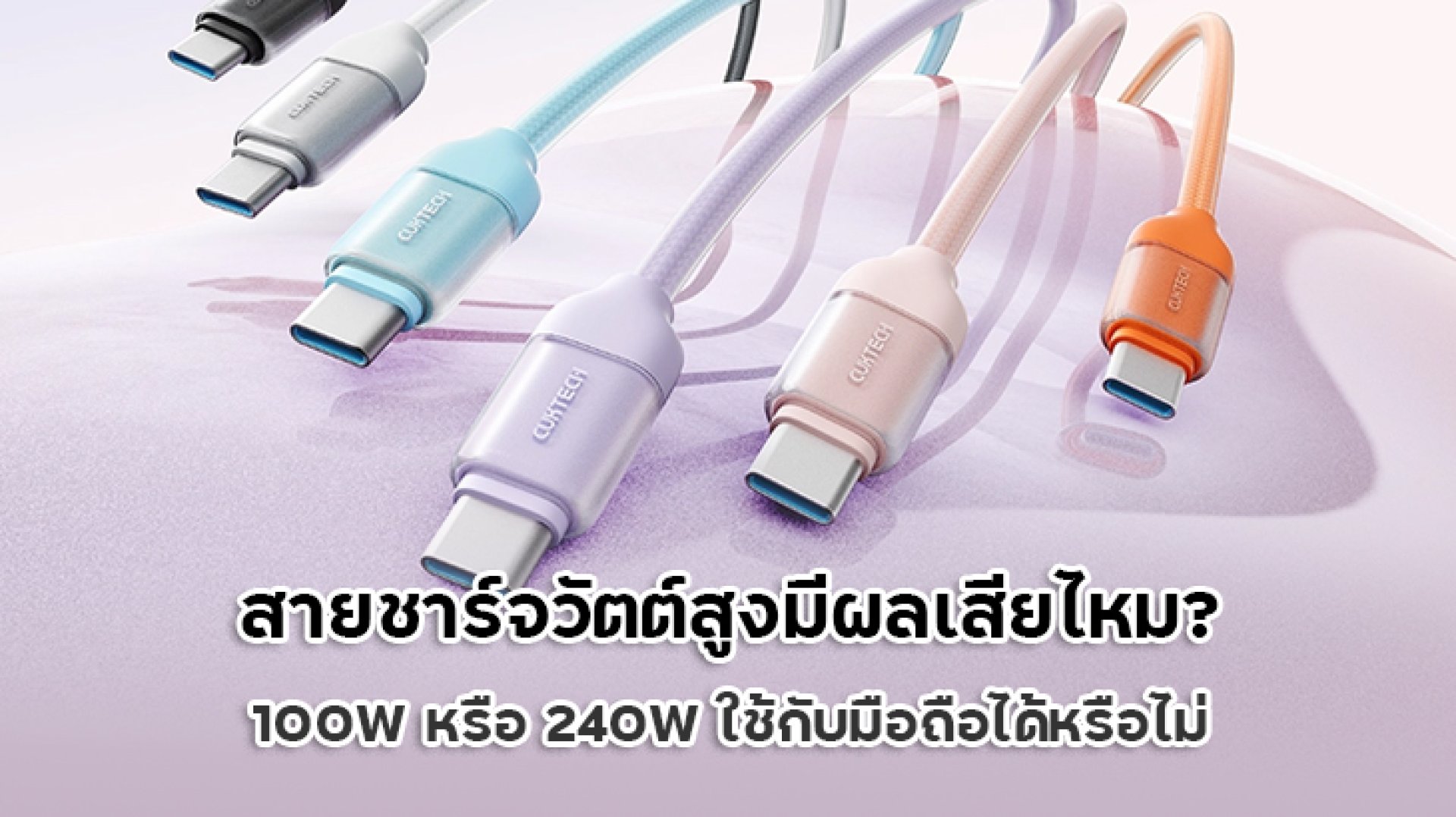
Many people hesitate before buying a high-wattage charging cable, especially USB-C cables rated at 60W, 100W, or 240W. A common concern is whether using a high-power cable with a smartphone that only supports 20W, 30W, or 45W charging could damage the phone or cause the battery to degrade faster.
The short answer is no. A higher-rated charging cable does not force your phone to draw more power. In general, using a cable rated for a higher wattage than your device requires is safe, provided the cable and charging equipment are properly designed and compliant with the relevant standards.
What matters is not simply the wattage printed on the cable. You should consider the entire charging system: charger + cable + device.
What Is a High-Wattage Charging Cable?
The 60W, 100W, or 240W number printed on a charging cable generally indicates the maximum power capability of the cable. It does not mean that the cable will continuously deliver that amount of power to your smartphone.
For example, if you use a 100W USB-C cable with a smartphone that supports approximately 30W charging, the cable does not force the phone to receive 100W. The actual charging power is determined by the capabilities and limits of the connected devices.
| Charging Cable | Device | Actual Charging Power |
|---|---|---|
| 100W | 30W smartphone | Limited by the device and charging system |
| 100W | 45W tablet | Limited by the tablet and charging system |
| 100W | 65W laptop | Can support the power level required by the laptop |
In other words, a 100W cable does not automatically mean that your phone will charge at 100W.
Are High-Wattage Charging Cables Safe?
In general, yes. A high-wattage charging cable is not inherently dangerous simply because it is rated for 100W or 240W.
When a cable is properly designed and used with compatible charging equipment, the power delivered is determined by the charging system rather than by the cable's maximum rating alone.
Think of a charging cable like a pipe designed to handle a certain flow capacity. A pipe capable of handling more flow does not automatically force more flow through the device at the other end.
A 100W Cable Does Not Force Your Phone to Charge at 100W
This is one of the most common misconceptions about high-wattage charging cables.
If your smartphone supports a maximum charging power of 25W, connecting a 100W cable does not turn the phone into a 100W charging device.
Actual charging power depends on several factors, including:
- The smartphone's maximum charging capability
- The output capability of the charger
- The charging protocol, such as USB Power Delivery (USB PD)
- The cable's electrical capability
- The battery's current charge level
- The device's temperature
- The device's internal power-management system
Can a 100W Charging Cable Damage Your Battery?
Not simply because the cable is rated at 100W.
Lithium-ion battery aging is influenced by multiple factors, including temperature, charging cycles, usage patterns, and the battery's age.
Heat is particularly important because excessive temperatures can negatively affect battery longevity.
Therefore, using a 100W cable with a smartphone that supports 30W charging does not automatically cause faster battery degradation just because the cable has a higher wattage rating.
Instead of focusing only on the wattage printed on the cable, it is more important to pay attention to charging temperature and the overall quality of the charging system.
Why Can a High-Wattage Cable Sometimes Make Charging Faster?
This can happen, but it is important to distinguish whether the improvement comes from the cable itself or from removing a limitation in the charging system.
For example, an older or lower-rated cable may not support the current or power required by a particular fast-charging configuration. Replacing it with a properly rated cable can allow the charger and device to operate at a charging mode that was previously limited.
In this situation, the 100W cable is not pushing 100W into the phone. Instead, the new cable removes a potential bottleneck in the charging system.
What Is the Difference Between 60W, 100W, and 240W Cables?
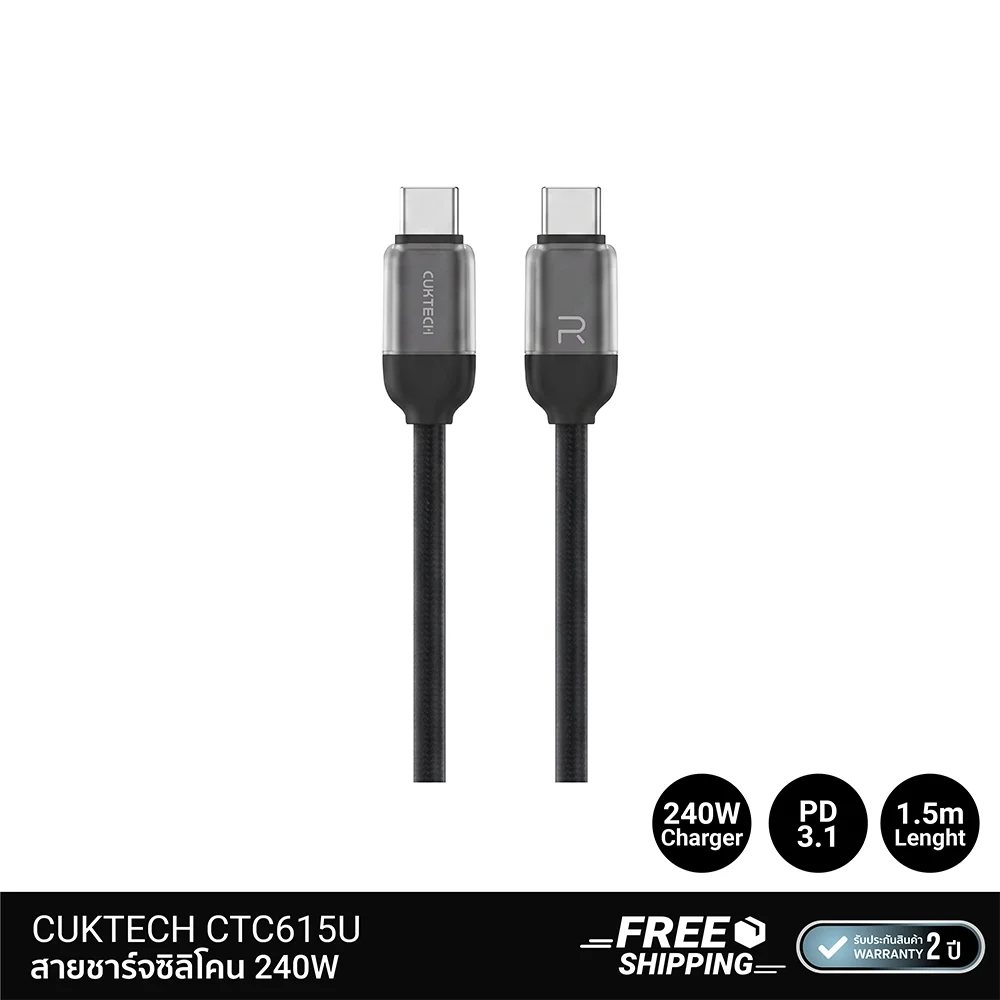
Higher wattage ratings indicate that a cable is designed to support higher power levels under the applicable specifications. However, a higher-rated cable does not automatically make a smartphone charge faster.
| Cable Rating | Typical Use | For Smartphones | For Laptops |
|---|---|---|---|
| 60W | Phones, tablets, general devices | Enough for many smartphones | Suitable for some laptops |
| 100W | Phones, tablets, laptops | More than enough for many phones | Suitable for many USB-C laptops |
| 240W | High-power USB-C devices | Usually more than necessary | Useful for compatible high-power devices |
If you are buying a cable specifically for a smartphone, there is usually no need to choose the highest wattage available. Compatibility, build quality, and the charging standard are more important.
Can You Use a 100W Cable With a 20W Phone?
Yes. A 100W USB-C cable can generally be used with a 20W smartphone when the connectors and charging standards are compatible.
The 100W rating describes the cable's capability. It does not mean that the phone will automatically receive 100W.
The smartphone will operate according to the charging power supported by its charging system.
Can You Use a 240W Cable With a Smartphone?
Yes, provided that the cable, connector, charger, and device are compatible. However, for most smartphones, a 240W cable will not provide a charging-speed advantage if the phone itself supports a much lower charging power.
The main benefit of a high-power cable is versatility. A 240W USB-C cable can be useful if you want to use the same cable with compatible high-power devices such as certain laptops and other USB-C equipment.
What Should You Worry About More Than Cable Wattage?
1. Poor Cable Quality
The cable's quality is more important than simply choosing the highest wattage number.
A poorly manufactured cable may have problems with electrical performance, heat management, durability, or compatibility with certain charging systems.
2. Misleading Specifications
A 100W label alone does not guarantee that a cable is well made or capable of delivering reliable performance.
Choose cables from reputable manufacturers and check the technical specifications and applicable certifications where available.
3. Current Capability Matters
For high-power USB-C charging, you should consider more than just the wattage rating. Current capability and the relevant USB-C and USB Power Delivery specifications are also important.
4. Look at the Entire Charging System
Do not evaluate a charging cable in isolation.
If your charger can only provide 20W, switching to a 100W cable will not turn the charging system into a 100W charger.
How to Choose the Right High-Wattage Charging Cable
When buying a new cable, choose based on your actual devices rather than simply choosing the cable with the highest wattage rating.
- For smartphones: Choose a quality cable that supports the power and charging standard required by your phone.
- For smartphones and tablets: A 60W-or-higher USB-C cable can provide greater flexibility for multiple devices.
- For laptops: Check the laptop's charging requirements and your charger's output before choosing a cable.
- For multiple devices: A 100W cable can be a practical choice if you want one cable for phones, tablets, and compatible laptops.
- For high-power USB-C devices: Check the exact power requirements and specifications of both the device and cable.
How to Check Whether a Charging Cable Is Performing Properly
If you want to find out whether a charging cable is actually delivering the expected power, you can use a USB Power Meter or USB Tester that supports the charging standard you want to measure.
These devices can display measurements such as Voltage (V), Current (A), and Power (W), allowing you to see the electrical conditions during charging more clearly than simply relying on the wattage printed on the cable package.
If you want to compare two charging cables, use the same charger and the same device and change only the cable. This makes the comparison more meaningful because other variables remain consistent.
Conclusion: High-Wattage Charging Cables Are Not Automatically Harmful
A 100W or 240W charging cable does not automatically deliver 100W or 240W to your smartphone. The wattage rating describes the cable's power capability, while actual charging power depends on the charger, smartphone, cable, charging protocol, battery condition, and operating temperature.
If your smartphone supports 20W charging, using a 100W cable does not make the phone receive 100W simply because the cable has a higher rating.
The most important factors are to choose a high-quality cable, use compatible charging equipment, and make sure the cable supports the power requirements of your devices.
FAQ: High-Wattage Charging Cable Questions
Can a 100W charging cable damage a phone battery?
Generally, no. The 100W rating describes the cable's capability and does not force a smartphone to accept 100W. Battery aging is influenced by several factors, including temperature, charging behavior, and battery age.
Can I use a 100W cable with a 20W phone?
Yes, provided that the connector and charging standards are compatible. The phone will charge according to the capabilities of its charging system.
Is a 240W cable faster than a 100W cable for smartphones?
Not necessarily. If the smartphone supports a much lower charging power, switching from a 100W cable to a 240W cable will not automatically increase charging speed.
Do I need a high-wattage charging cable?
Not necessarily. A high-wattage cable is useful when you want greater compatibility with multiple devices, especially tablets and USB-C laptops. For a smartphone alone, choose a cable that meets the phone's actual requirements.
Does the charging cable affect charging speed?
Yes, if the cable becomes a limitation in the charging system. However, using a cable rated for a higher wattage than your phone requires does not automatically make the phone charge faster.
References
- USB Implementers Forum (USB-IF) USB Power Delivery
Information about USB Power Delivery and high-power USB-C charging.
USB-IF USB Power Delivery - USB Implementers Forum (USB-IF) Cables and Connectors
Information about USB-C cables, connectors, cable certification, and power markings.
USB-IF Cables and Connectors - USB Implementers Forum USB Type-C Cable and Connector Specification
Technical information about USB Type-C cables and connectors.
USB Type-C Specification - Apple Why Lithium-ion?
Information about lithium-ion batteries, charging, and factors that affect battery performance.
Apple Why Lithium-ion? - Apple Support iPhone Battery and Performance
Information about battery aging, temperature, charging behavior, and battery performance.
Apple Support Battery and Performance