Power Bank Got Wet? Here's How to Check If It's Still Safe to Use
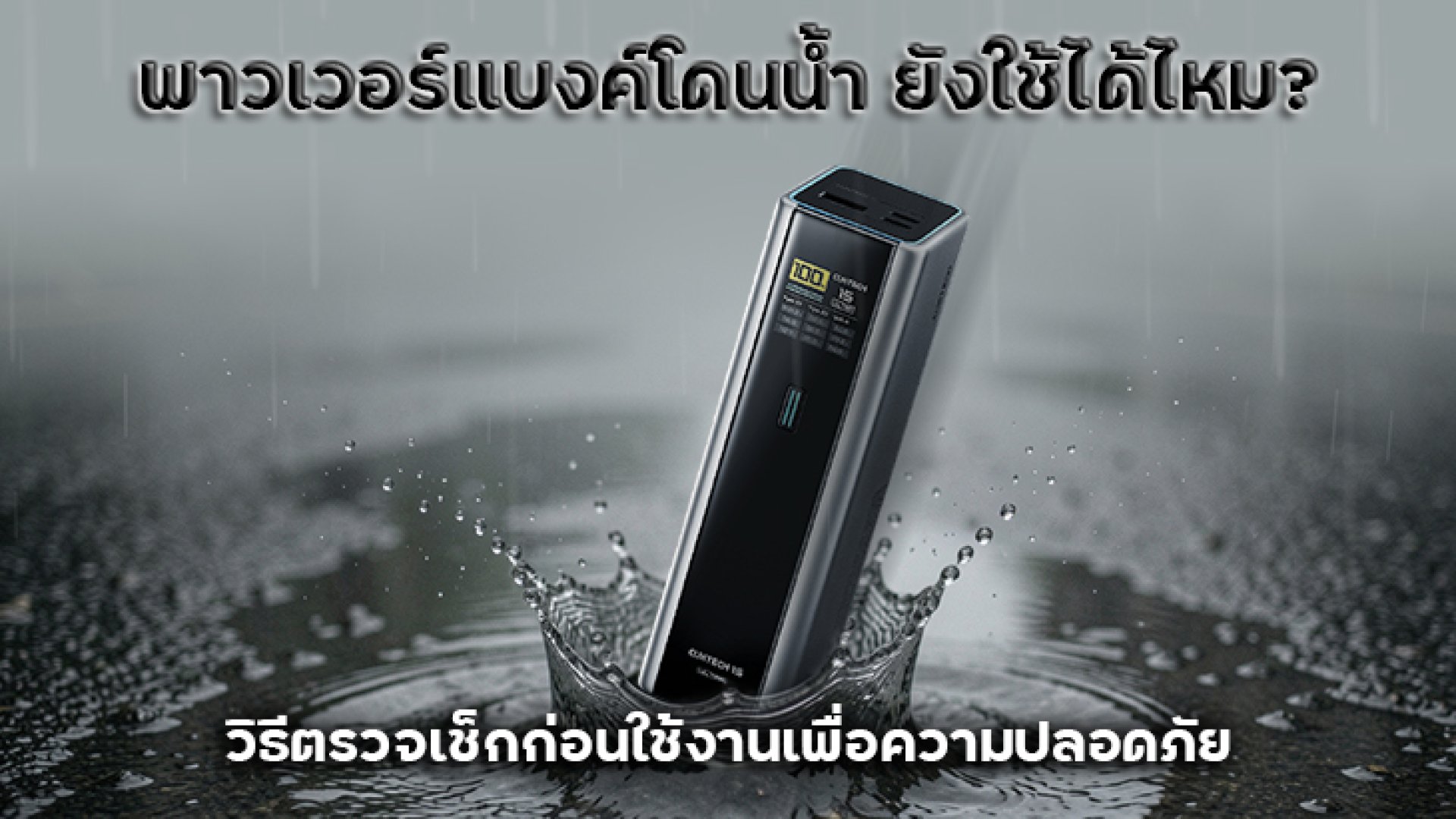
Many people assume that if a power bank still turns on after getting wet, it's perfectly safe to continue using it. Unfortunately, that's not always true. Moisture trapped inside the device can slowly corrode electronic components, leading to unexpected failures days or even weeks later.
This guide explains what happens when a power bank gets wet, how to inspect it safely, and when it's time to replace the device instead of risking damage to your smartphone or other electronics.
How Water Can Damage a Power Bank Over Time
Even if your power bank appears to function normally after drying, moisture left inside can continue damaging internal components. Corrosion often develops gradually, affecting the printed circuit board (PCB), charging ports, and battery connections.
Long-term effects may include:
- Corrosion on metal contacts
- Reduced charging efficiency
- Unstable power output
- Shortened battery lifespan
- Unexpected charging interruptions
- Internal component failure
These issues may not become noticeable immediately, making hidden water damage particularly dangerous.
7 Things to Check Before Using a Wet Power Bank Again
1. Inspect the Charging Ports
Look carefully inside every USB or USB-C port. If you notice rust, white residue, discoloration, or corrosion, avoid using the device until it has been professionally inspected.
2. Check the Outer Case
A swollen, warped, or cracked housing can indicate battery damage. Stop using the power bank immediately if the enclosure no longer appears normal.
3. Smell for Unusual Odors
A burnt smell, chemical odor, or melted plastic scent may indicate internal battery failure. These are warning signs that should never be ignored.
4. Verify the LED Indicators
Battery indicator lights should behave normally. Random blinking, lights staying on continuously, or no response at all could indicate electronic damage.
5. Test Charging Performance Carefully
If testing becomes necessary, begin with a less critical USB-powered device rather than your primary smartphone, while closely monitoring the power bank.
6. Monitor Temperature
A power bank that becomes unusually warm within minutes of charging may have internal damage and should be discontinued immediately.
7. Observe Charging Speed
Slow charging, intermittent charging, or unstable output can all be signs that water has affected the charging circuitry.
When Should You Stop Using the Power Bank?
Discontinue use immediately if you notice any of the following symptoms:
- Battery swelling
- Excessive heat
- Burning smell
- Smoke or unusual noises
- Corroded charging ports
- Failure to charge devices
- Inconsistent power delivery
Continuing to use a damaged lithium-ion battery can increase the risk of equipment failure and safety hazards.
Are Power Banks Waterproof?
Most consumer power banks are not waterproof. Unless the manufacturer specifically states an IP rating such as IP65, IP67, or IP68, the device should be treated as vulnerable to water exposure.
Even premium models with advanced safety systems are generally designed to protect against electrical faultsnot water intrusion.
Tips to Protect Your Power Bank from Water Damage
- Store it in a dry compartment of your bag.
- Use a waterproof pouch during rainy seasons.
- Keep it away from drinks and wet surfaces.
- Avoid charging outdoors during heavy rain.
- Dry your hands before connecting charging cables.
- Regularly inspect and clean charging ports.
- Choose products from reputable manufacturers with comprehensive safety protection systems.
Why Built-in Safety Features Still Matter
While no power bank can completely eliminate the risks associated with water damage, choosing a certified product with multiple protection mechanisms significantly improves overall safety.
High-quality power banks often include safeguards against overcurrent, overvoltage, overheating, overcharging, and short circuits. These systems help minimize damage if abnormal electrical conditions occur.
Conclusion
If your power bank gets wet, don't assume it's safe simply because it still powers on. Hidden moisture can gradually damage internal electronics and create problems long after the device appears dry.
If you notice swelling, overheating, unusual odors, unstable charging, or visible corrosion, discontinue use immediately. Replacing a compromised power bank is often the safest decision to protect both your devices and your personal safety.
Frequently Asked Questions (FAQ)
Can I continue using a power bank after it gets wet?
Not immediately. Even if the power bank appears to function normally, moisture inside may cause corrosion or hidden electrical damage. It is best to inspect the device carefully or have it professionally evaluated before using it again.
Learn more: Electrical Safety First
Are power banks waterproof?
Most power banks are not waterproof unless they are specifically rated with an IP certification such as IP65, IP67, or IP68. Avoid exposing them to rain or standing water whenever possible.
Learn more: Consumer Product Safety Office Singapore
How long should I wait before checking a wet power bank?
Allow the device to air dry in a well-ventilated area for at least 4872 hours. Avoid using heat sources such as hair dryers or direct sunlight, as excessive heat may damage the battery.
What signs indicate that a power bank is no longer safe to use?
Stop using the device immediately if you notice swelling, overheating, smoke, a burning smell, rust inside the charging ports, or unstable charging performance.
Learn more: Anker Power Bank Safety Guide
How can I choose a safer power bank?
Look for products that comply with recognized safety standards and include multiple protection systems such as overcurrent, overvoltage, overcharge, overheat, and short-circuit protection. Compliance with standards like IEC 62133 is also recommended.
Learn more: International Electrotechnical Commission (IEC)
References
- International Electrotechnical Commission (IEC). IEC 62133 Safety requirements for portable rechargeable batteries.
https://www.iec.ch/ - Consumer Product Safety Office Singapore. Safety Tips on Power Banks.
https://www.consumerproductsafety.gov.sg/safety-tips-on-power-banks/ - Electrical Safety First. Power Bank Safety Advice.
https://www.electricalsafetyfirst.org.uk/safety-advice/products-and-appliances/gadgets-entertainment/power-banks/ - Anker. Power Bank Safety Guide.
https://service.anker.com/eu/article-description/Power-Bank-Safety-Guide - ZMI Thailand. Official Power Bank Collection.
https://www.zmithailand.com/category/2003/พาวเวอร์แบงค์-powerbank