What are the different types of charging cables for mobile devices?
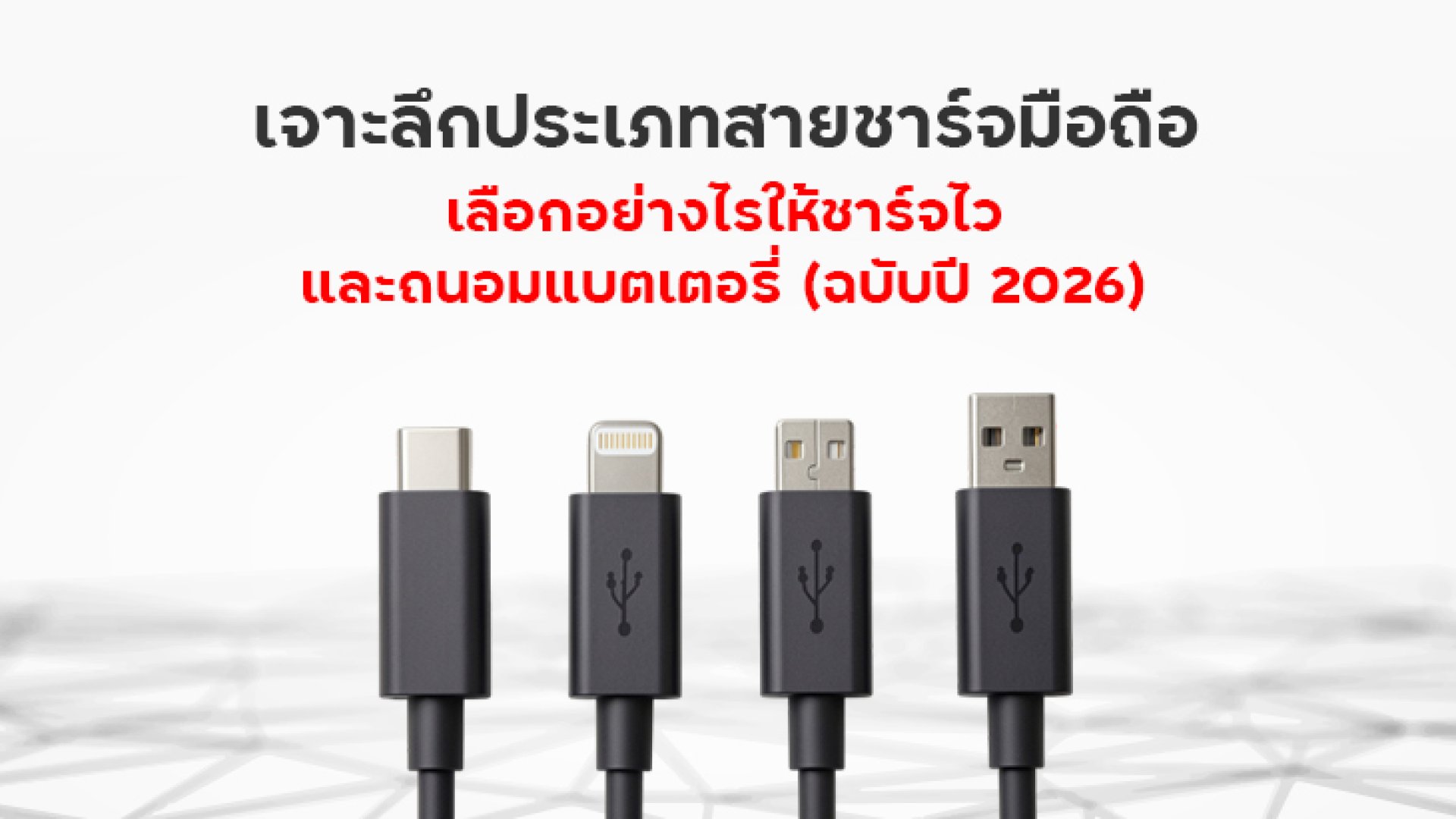
The world of charging cables has evolved from a messy pile of proprietary plugs to a much more streamlined set of standards. Whether you're powering up a smartphone, a tablet, or high-end accessories, you'll likely encounter one of these four main types.
1. USB Type-C (USB-C)
This is the current industry standard for almost all modern devices, including Android phones, the latest iPhones (15 series and newer), laptops, and tablets.
Design: Symmetrical and reversible, meaning there is no "up" or "down" side.
Performance: Supports high-speed data transfer and Power Delivery (PD), which allows for fast charging of larger devices like MacBooks.
Versatility: One cable can often charge your phone, headphones, and laptop.
2. Lightning
Developed by Apple, this was the standard for iPhones and iPads for over a decade before they transitioned to USB-C.
Design: Small, thin, and reversible. Unlike USB-C, the "pins" are on the outside of the plug.
Compatibility: Still widely used for iPhone 14 and older, AirPods (older generations), and the Apple Pencil (1st Gen).
Certification: Often requires MFi (Made for iPhone/iPad) certification to ensure safety and full compatibility.
3. Micro-USB
Once the universal standard for Android and portable electronics, Micro-USB is now becoming "legacy" tech, though it’s still very common in budget devices.
Design: Trapezoidal shape (it only plugs in one way).
Usage: Commonly found on older Kindles, Bluetooth speakers, cheap power banks, and some game controllers (like the PS4).
Downside: More fragile than USB-C and does not support the same high speeds for data or power.
4. USB-A
While not usually the side that plugs into your phone, USB-A is the rectangular plug found on the other end of most cables.
Function: This is the standard connector for wall bricks, car chargers, and computer ports.
Evolution: Many modern chargers are moving away from USB-A in favor of USB-C to USB-C cables to support faster charging speeds.
A Note on "Fast Charging"
Not all cables are created equal. Even if the plug fits, the internal wiring determines how much power it can carry. To get the best results (especially for high-wattage devices), look for cables rated for PD (Power Delivery) or specific standards like PPS if you are using high-end hardware.